- 0The levee & the Arch
- 0.4Old Courthouse
- 1.0City Museum
- 1.4Union Station
- 2.8Grand Center
- 3.9Cathedral Basilica
- 4.2Central West End
- 5–6Forest Park
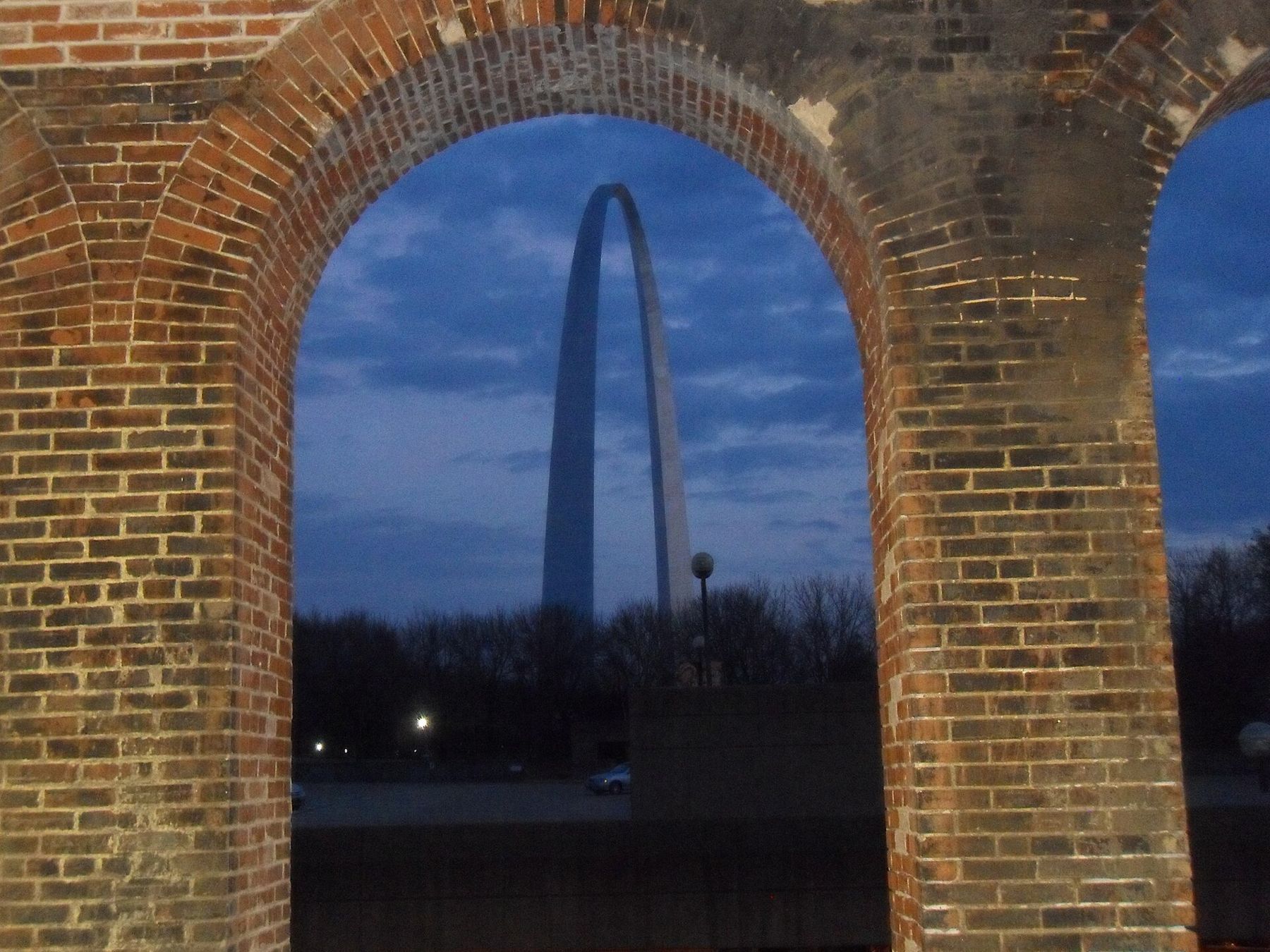
The river is mile zero. The park is mile six.
St. Louis has a straight spine. Start on the cobbled levee under the Arch, walk west past the domed courthouse and the old rail palace, ride on through the theatre blocks and the gaslit streets of the Central West End, and step off into the 1904 fairground of Forest Park.
This guide is built along that line, one stop at a time, with the mileage counted from the water. Then it turns south, for gardens, a market and streets of red brick.
Laid course by course
Each stop sits where it falls on the line. Read them in order, or pull one brick out.
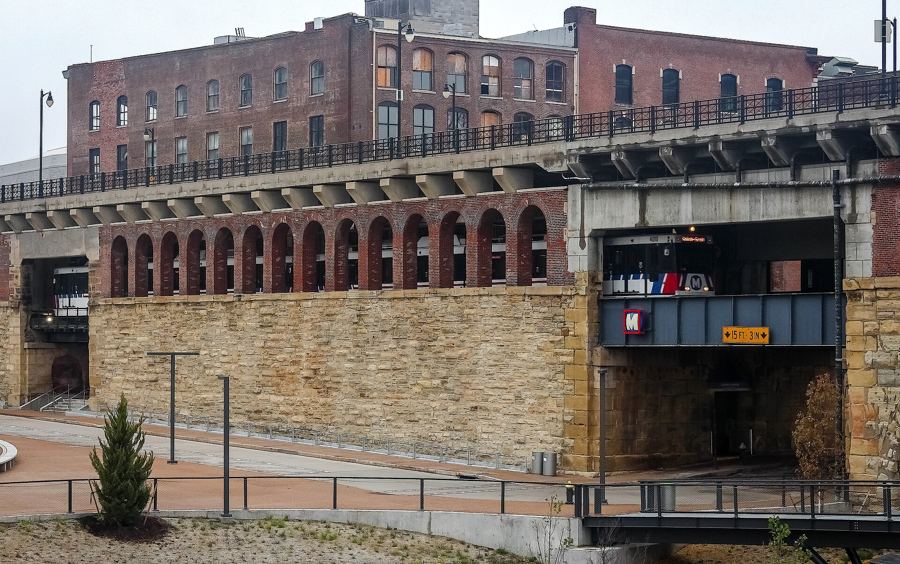
Steel over the river, stone underfoot
The first great steel arch bridge over the Mississippi still carries trains and walkers, and at its western foot a few blocks of cobbles and warehouses remember the old riverfront.
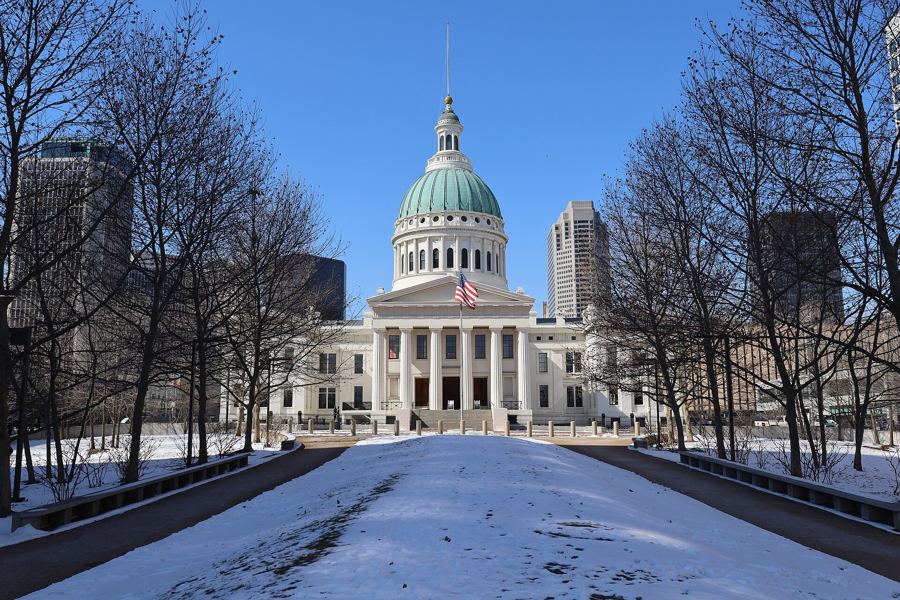
Under the dome, a family's case for freedom
In this domed courthouse an enslaved couple asked a St. Louis jury to recognize them as free. What the highest court in the land did with their case pushed the country toward war.
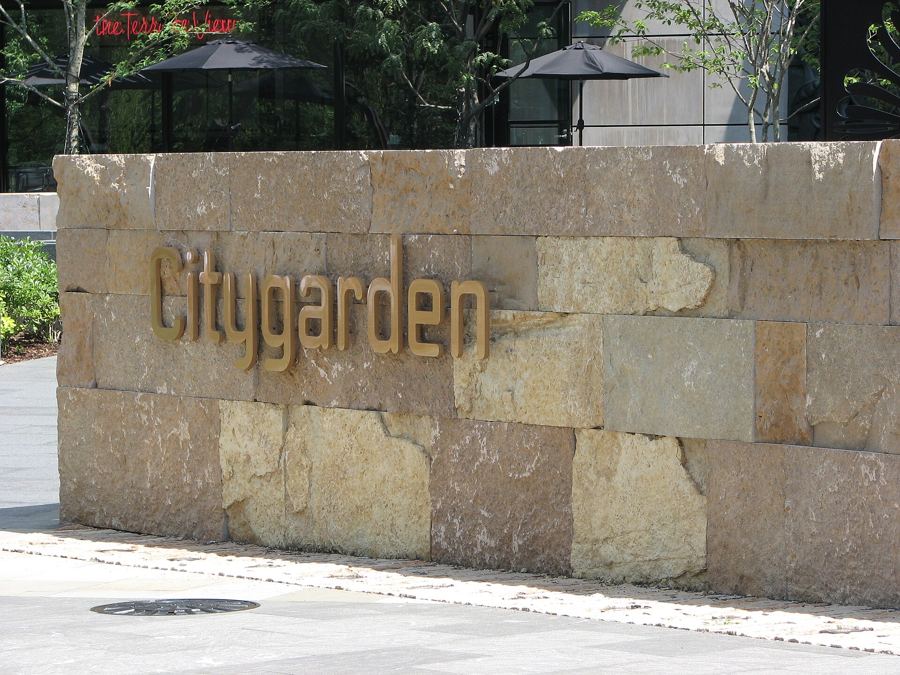
Fountains, bronze and a mile of grass
Downtown St. Louis has a long green spine running west from the Old Courthouse. Its best two blocks are Citygarden, where the sculpture is meant to be touched and the fountains to be walked through.
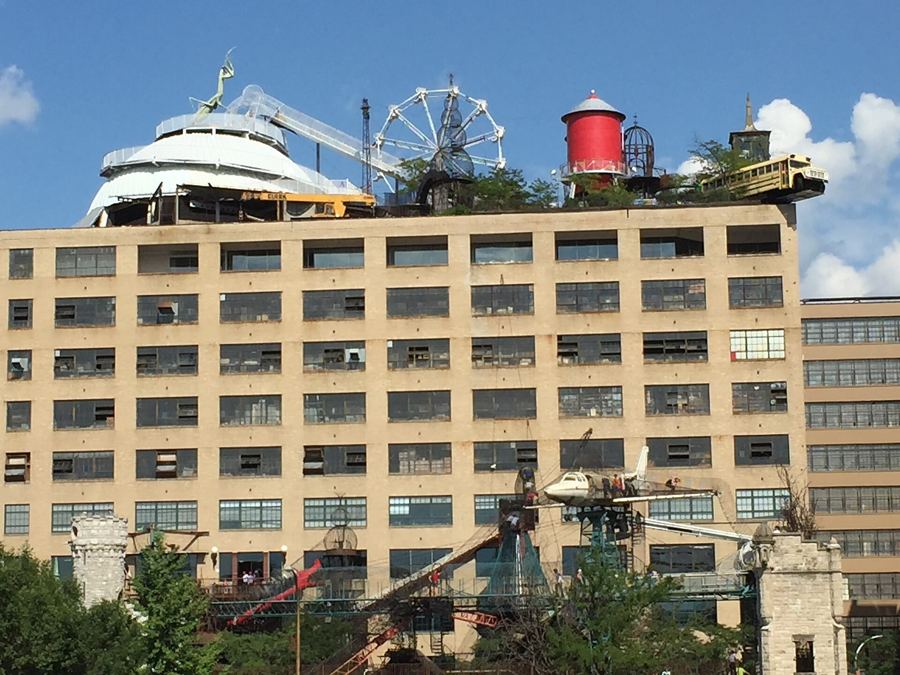
Ten floors of a shoe warehouse, built for climbing
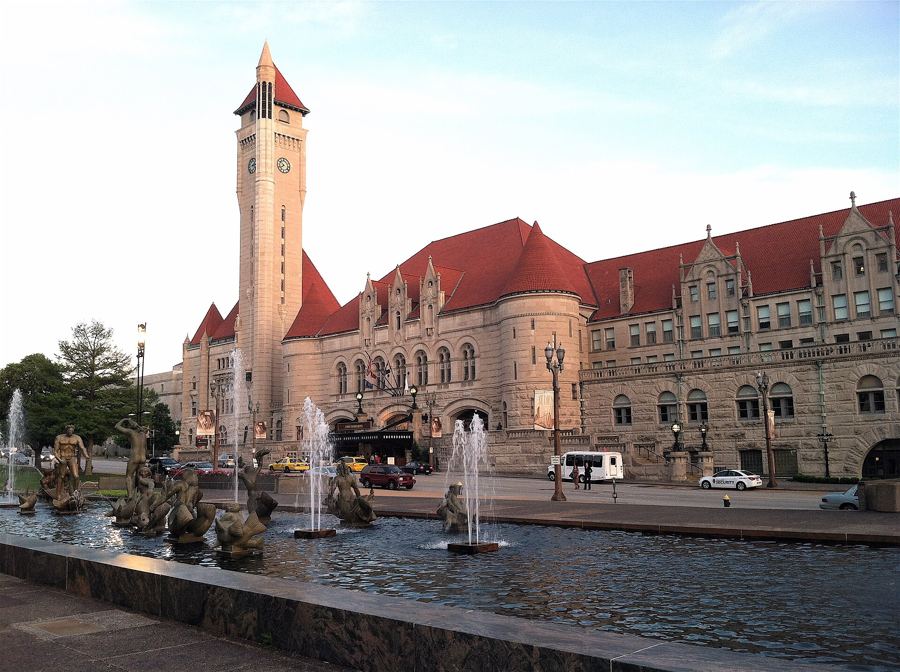
A railroad palace on Market Street
For decades more trains passed through this station than almost anywhere else. The passengers are long gone, but the stone tower, the vaulted hall and the great iron shed remain.
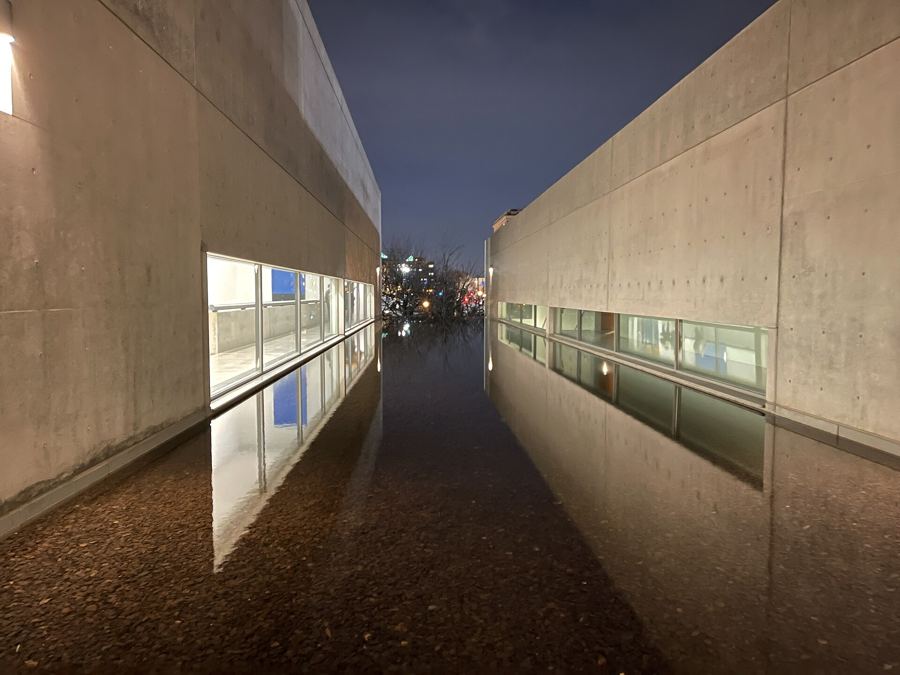
Grand Center, where the curtains go up
On a few blocks of Grand Boulevard, a 1929 movie palace, a symphony hall, a concrete gallery built around water and a contemporary art museum stand within a short walk of each other.
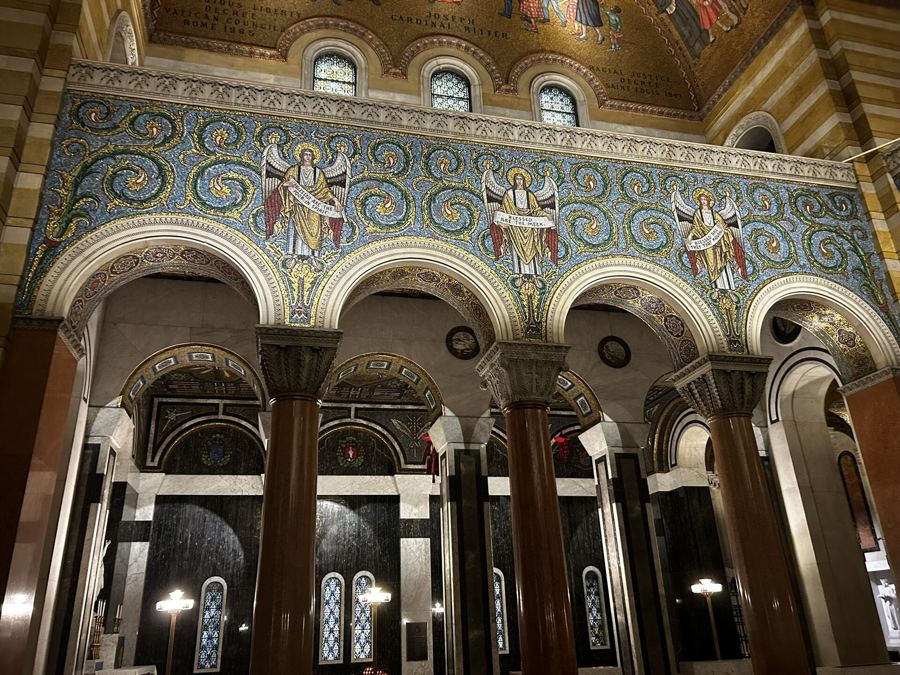
Forty million pieces of glass and gold
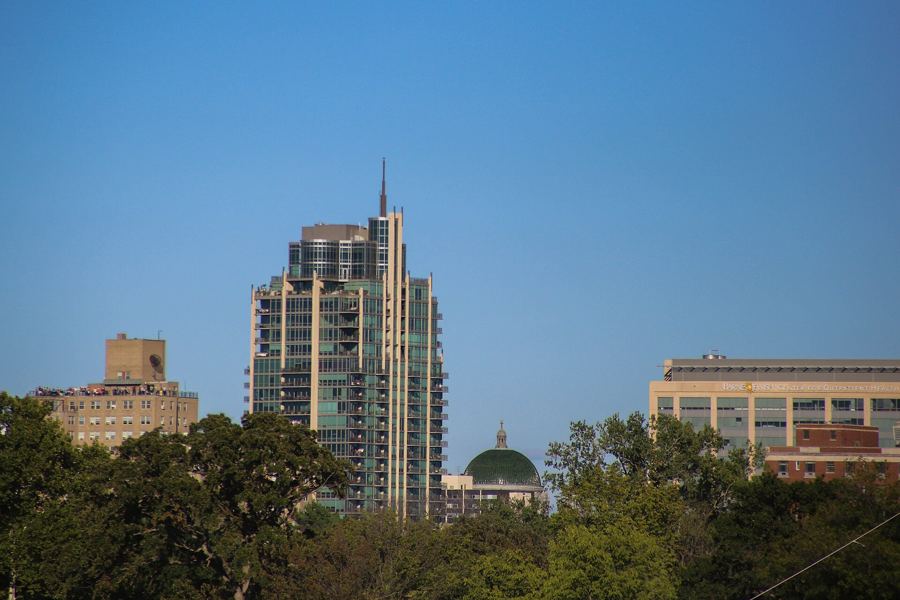
Gates, mansions and the walk to the park
Between the medical campus and Forest Park, a neighborhood of tree-lined private streets, stone gateposts and big houses from the years of the 1904 World's Fair makes one of the city's best walks.
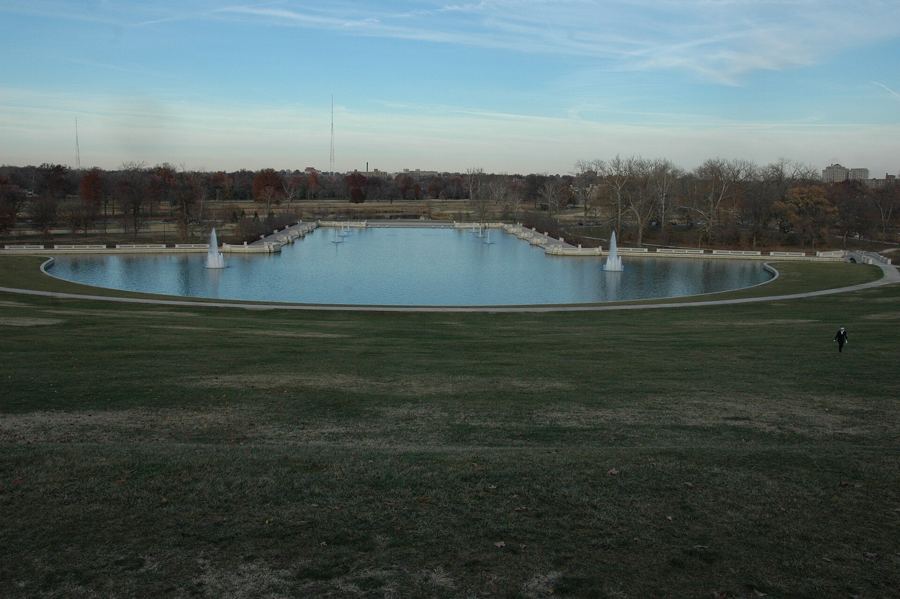
Around the fairgrounds: a loop of Forest Park
The 1904 World's Fair filled this park with palaces for one summer. A walk or ride around it today traces the fair's outline through lakes, lawns, woods and the few buildings that stayed.
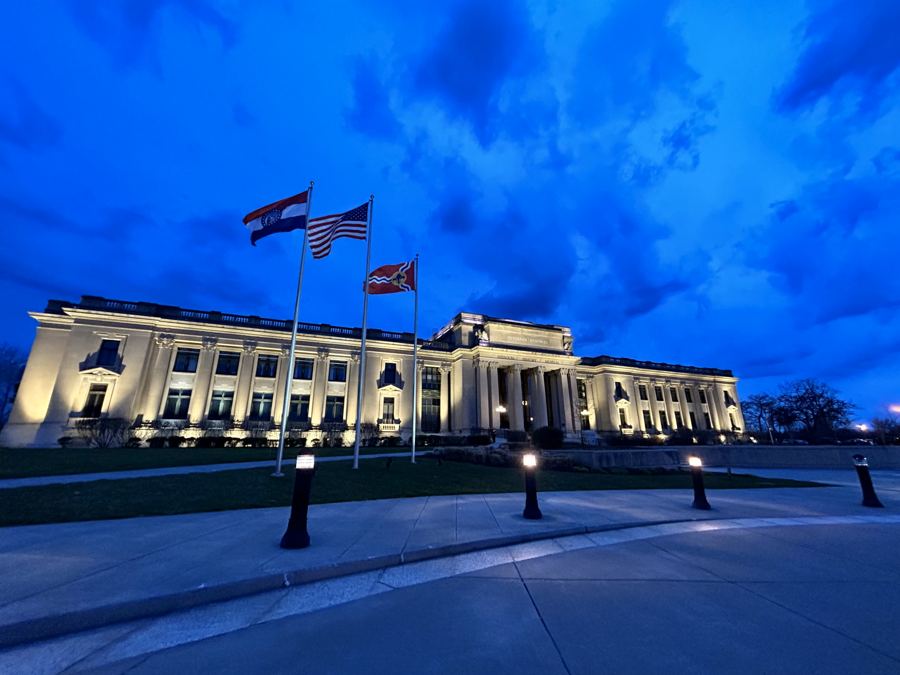
Glass, footlights and the fair's own museum
On the park's eastern side, a 1936 glass greenhouse, a huge open-air theatre that plays musicals under the summer sky and the history museum built on the fair's front door.
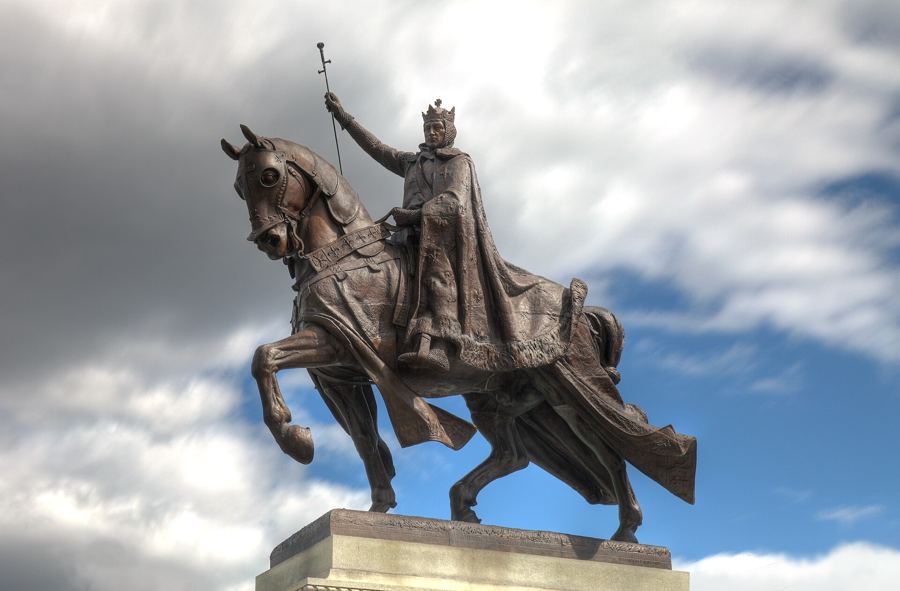
The museum at the top of Art Hill
Cass Gilbert's Palace of Fine Arts outlived the 1904 World's Fair and still holds the city's art, with a crusader king on horseback guarding the slope below.
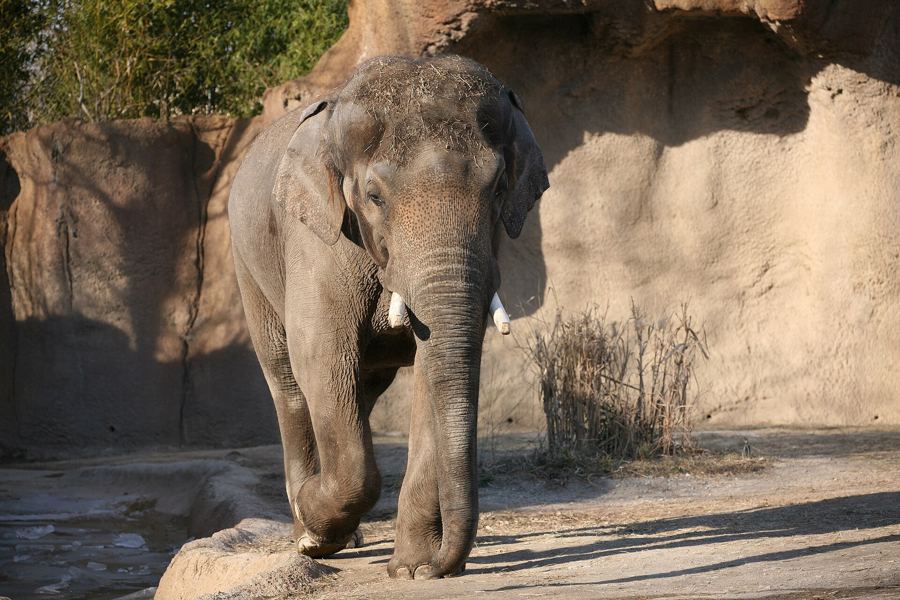
Early hours at the Saint Louis Zoo
A walk-through aviary left over from the 1904 fair, elephants by a river trail, and general admission that has stayed free: the zoo is best met early, before the Missouri heat.
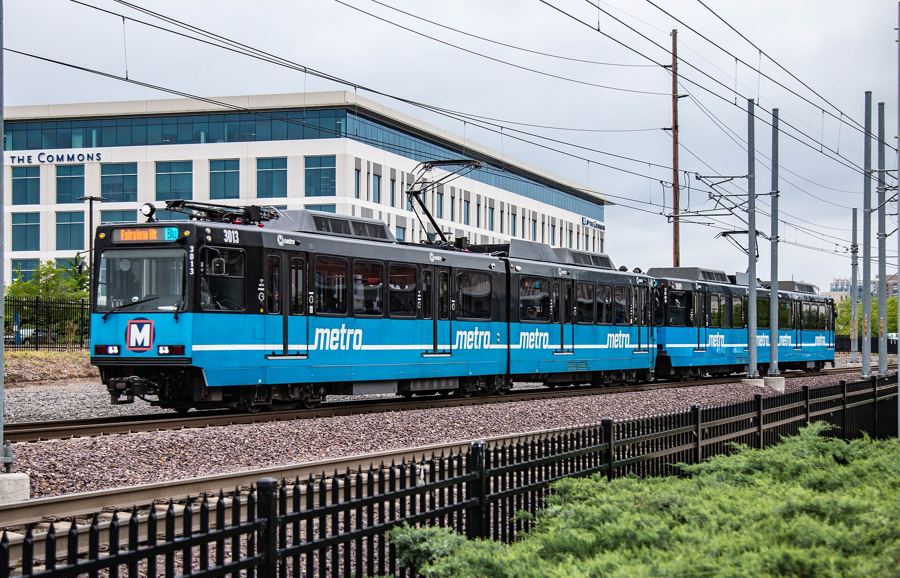
The train that follows the river-to-park line
Since 1993, a light-rail line has run beneath downtown and west along an old rail corridor to Forest Park, tying the city's riverfront, midtown and park together in one ride.
Why a line, not a map
Most of what a first visit to St. Louis needs lies within a few blocks of one east-west corridor: Market Street and the Gateway Mall downtown, then Olive and Lindell out to the park. MetroLink runs roughly the same way. Walk a stretch, ride a stretch, and the city stays in order in your head.
Every stop here gives its mileage from the levee, the nearest light-rail station and the months it is at its best. Hours, fees and timetables change, so the pages speak in general terms: check before you go.
The mileages are approximate and measured along the corridor, not by the shortest road.
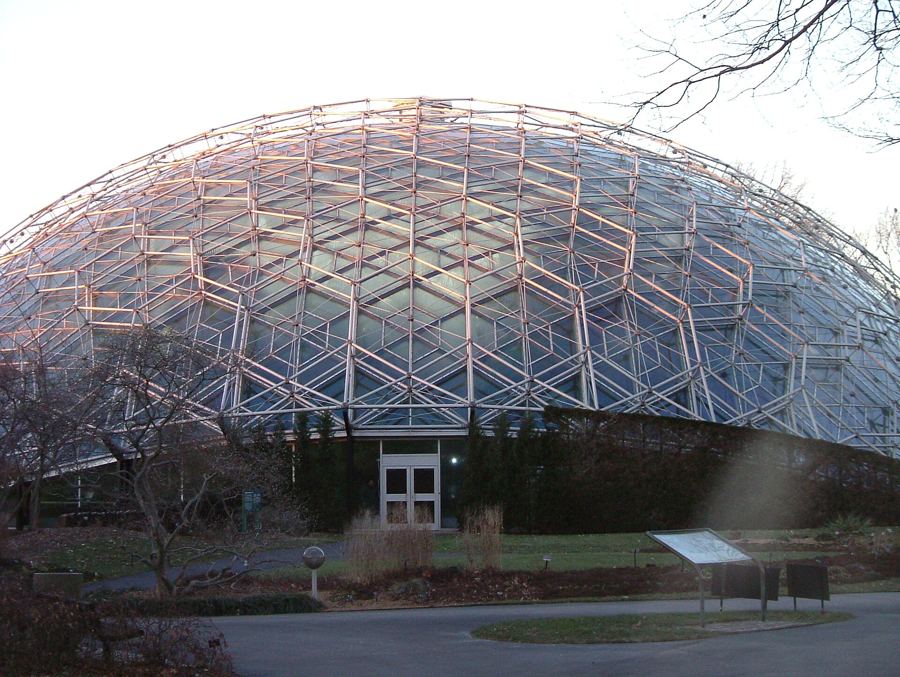
Turn south at the brick
Off the line, a mile or three below it: a garden with a geodesic glasshouse, a farmers’ market with roots in the late 1700s, and street after street of red-brick rowhouses.
Henry Shaw's garden and the park he gave the cityMile 3.6 southSoulard's market and the houses round Lafayette ParkMile 1.5 southA city made of its own groundAll over the city